
chemically tempered glass
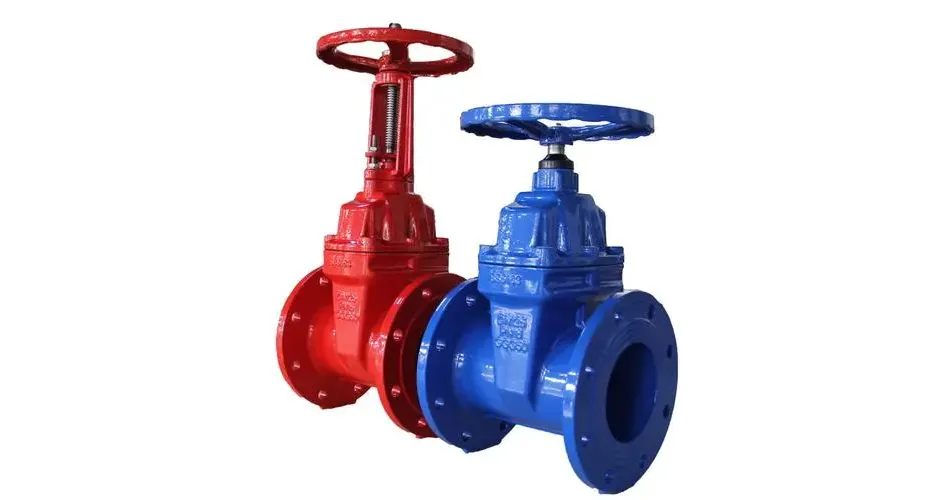
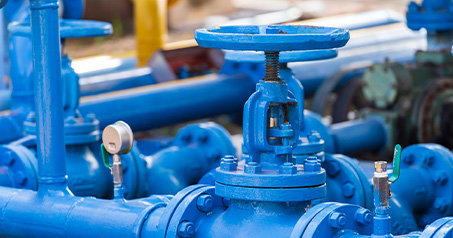
Understanding Water Gate Valve Types Water gate valves are essential components in various water management systems, serving as crucial devices for controlling the flow of water in pipelines. These valves are designed to allow or block the passage of water when needed, making them indispensable in both residential and industrial applications. There are several types of water gate valves, each with unique features and use cases. 1. Wedge Gate Valves Wedge gate valves are among the most common types. They operate by using a wedge-shaped disc that fits tightly against a seat to create a seal. The valve is opened and closed by raising and lowering the wedge. This design allows for minimal friction, ensuring a smooth operation. Wedge gate valves are ideal for full flow applications and are often utilized in water supply systems, irrigation, and pipelines where a straight-line flow of fluid and a low resistance is required. 2. Parallel Gate Valves Parallel gate valves feature a pair of parallel discs or blades that close together to block off flow. Unlike wedge gate valves, the design prevents contact between the seating surfaces when the valve is fully closed, reducing wear and enhancing durability. These valves are useful in applications where flow regulation is essential, such as in wastewater disposal and industrial processes. Moreover, parallel gate valves provide low resistance, making them suitable for high-capacity water systems. 3. Sliding Gate Valves Sliding gate valves operate by moving a flat gate back and forth within the valve body. When the gate is retracted, water can flow freely; when pushed into position, it seals the flow. Although less common than wedge and parallel types, sliding gate valves are beneficial in certain scenarios, particularly in applications where space is tight. Their ability to provide a reliable seal and their straightforward design make them advantageous in specialized settings such as dam systems and irrigation projects. water gate valve types 4. Bolted Bonnet Gate Valves Bolted bonnet gate valves are constructed with a separate bonnet that is bolted to the valve body. This design allows for easy disassembly for maintenance or repairs without needing to dismount the entire valve from the pipeline. These valves ensure a tight seal and are recommended for high-pressure applications, including municipal water supply systems. Their robust design is particularly suitable for environments where reliability and ease of maintenance are critical. 5. Gear Operated Gate Valves Gear-operated gate valves utilize a gear mechanism to open or close the valve. This feature allows for smoother operation, especially in larger valves that can be difficult to move manually. The added advantage of gear operation is that it minimizes the required torque, making it easier to control the valve, especially in high-pressure or large-diameter applications. These valves are often used in water treatment plants and pumping stations, where precise control of flow is essential. 6. Electric Actuated Gate Valves For systems requiring automated control, electric actuated gate valves are an excellent choice. These valves are equipped with electric actuators, enabling them to open and close remotely through an electric signal. This functionality is incredibly beneficial in scenarios where operators must monitor and adjust water flow from a distance, enhancing efficiency and safety in water management operations. Conclusion Choosing the right type of water gate valve is crucial for ensuring the efficiency and reliability of water systems. Understanding the distinct features and applications of various gate valves—such as wedge, parallel, sliding, bolted bonnet, gear-operated, and electric actuated—empowers professionals to make informed decisions tailored to their specific requirements. By selecting the appropriate valve type, users can optimize flow control, enhance durability, and improve maintenance practices in their water management projects. As water systems grow increasingly complex, the role of appropriately chosen gate valves becomes ever more significant.
about
chemically tempered glass
Understanding Tilting Disk Check Valves Tilting disk check valves are essential components in various fluid systems, designed to prevent backflow and ensure the proper direction of fluid movement. Their unique design and operational characteristics make them suitable for a wide range of applications in industries such as water treatment, chemical processing, and HVAC systems. A tilting disk check valve operates on a simple yet effective mechanism. The valve consists of a disk that pivots on a hinge. When fluid flows in the designated direction, the disk tilts open, allowing the fluid to pass through. However, if the flow reverses, the disk tilts back against its seat due to the reverse pressure, effectively sealing the opening and preventing backflow. This action is critical in maintaining the system's efficiency and protecting equipment from potential damage caused by reverse flows, such as water hammer or contamination. One of the main advantages of tilting disk check valves is their ability to provide a low-pressure drop. Unlike some other check valve designs, the tilting disk allows for a streamlined flow path, minimizing turbulence and energy loss. This characteristic makes them particularly valued in applications where maintaining pressure and flow rates is crucial. tilting disk check valve Moreover, tilting disk check valves are also known for their durability and reliability. Constructed from materials such as stainless steel, bronze, or PVC, these valves can withstand harsh operating conditions and resist corrosion . Their robust design contributes to a longer lifespan, reducing the need for frequent replacements and maintenance, which can be both time-consuming and costly. In terms of installation, tilting disk check valves are versatile and can be oriented in any position. Nevertheless, it’s often recommended to install them in a horizontal position to ensure optimal performance. Proper sizing is also important; selecting the right valve size according to the specific flow requirements of the system is critical to achieving effective operation. Safety is another significant factor when using tilting disk check valves. These valves help to prevent backflow, which can lead to contamination of clean water supplies and other critical fluids. By ensuring a one-way flow path, they contribute to the overall safety and integrity of the fluid system. In conclusion, tilting disk check valves are vital components that enhance the efficiency and safety of fluid systems. Their unique design, durability, and ability to minimize pressure drops make them an ideal choice for many industrial applications. By understanding their functionality and benefits, engineers and operators can make informed decisions when selecting check valves for their systems.
-

High quality industrial productsagement

High quality industrial products
View Details -

Meet the diverse needs of customers

Meet the diverse needs of customers
View Details -

Strict quality control

Strict quality control
View Details -

Top raw materials

Top raw materials
View Details -

Trusted supplier

Trusted supplier
View Details
Our application


news and information
Van cầu 2 1 2
Đồng hồ van cầu 2 1 2 là một trong những thiết bị quan trọng trong hệ thống ống dẫn chất lỏng, đặc b
What Are the Different Types of Gate Valves_
When diving into the world of industrial flow control, understanding the various types of gate valve
Wooden Nail Plates for Secure and Durable Construction Solutions
The Importance of Nail Plates for Wood Construction When it comes to woodworking and construction, t
 English